
Indoor swimming pools offer year-round enjoyment and relaxation, yet maintaining the perfect environment within these enclosed aquatic spaces demands careful attention to several interconnected factors. The challenge extends beyond simply heating the water; it encompasses managing temperature, humidity, and air quality throughout the entire facility to ensure that both swimmers and the building itself remain in optimal condition. Modern climate control systems integrate advanced technology and thoughtful design to address these complexities, transforming indoor pool areas into comfortable, healthy, and energy-efficient sanctuaries.
The fundamentals of indoor pool climate management
Creating a comfortable indoor swimming environment requires a comprehensive understanding of how temperature, humidity, and air quality interact. The evaporation from an indoor pool surface can release thousands of litres of water vapour into the air each day, especially in larger facilities. This moisture-laden air, if left uncontrolled, leads to excessive humidity levels that quickly become uncomfortable for visitors and pose serious risks to the building structure. The ideal humidity range for indoor swimming pools typically falls between fifty and sixty percent, a level that prevents both excessive dryness and the oppressive dampness that encourages mould growth and structural corrosion.
Balancing temperature, humidity and air quality
Achieving the right balance begins with maintaining stable water temperatures through various heating methods. Gas heaters provide rapid heating but can incur substantial operating expenses, while electric heaters offer ease of installation at the cost of higher energy consumption. Heat pumps, particularly air-source and geothermal variants, deliver impressive energy efficiency, though geothermal systems require significant upfront investment and ongoing maintenance. Solar panels represent an environmentally conscious choice that reduces running costs over time, and pool covers serve a dual purpose by trapping heat and minimising evaporation. Plate heat exchangers connected to existing boiler systems offer another efficient pathway for transferring warmth to pool water. Beyond water temperature, the surrounding air must also be carefully regulated. Integrating pool heating with the building's HVAC system ensures consistent temperatures and air quality throughout the facility, creating a seamless climate that supports comfort and health.
The Role of Ventilation and Dehumidification Technology
Ventilation and dehumidification form the cornerstone of effective humidity management in indoor swimming pools. Air handling units designed specifically for pool environments address the unique challenges posed by constant moisture release. Advanced systems such as Damvent dehumidification hybrid AHUs combine precise humidity regulation with energy recovery capabilities, capturing between sixty and sixty-five percent of heat through a plate heat exchanger before recovering an additional thirty to thirty-five percent via an integrated heat pump. These units can achieve a Coefficient of Performance of ten, demonstrating exceptional energy efficiency, and incorporate frost prevention mechanisms to ensure reliable operation. The Seasonal Coefficient of Performance for such systems ranges impressively from three point eight to six point five for the refrigerant circuit, with overall net values reaching between five and fifteen. This level of performance not only controls moisture but also significantly reduces energy consumption, addressing one of the primary concerns for pool facility management. Proper ventilation further enhances air quality by continuously refreshing the indoor atmosphere, removing airborne contaminants and preventing the stagnant conditions that contribute to discomfort and health risks.
Achieving peak comfort in your indoor swimming facility
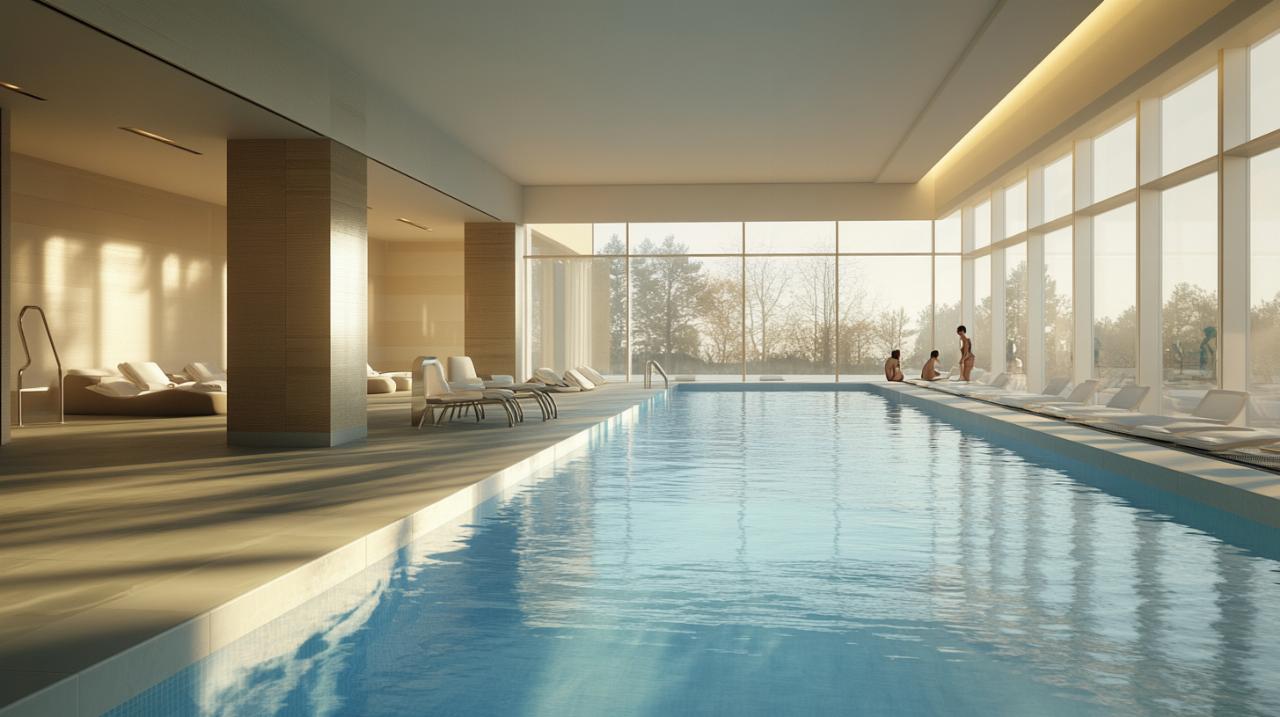
Optimising comfort within an indoor pool environment extends beyond installing the right equipment; it requires intelligent control systems and diligent maintenance practices. The goal is to create an atmosphere where swimmers feel consistently at ease, where the air remains fresh and pleasant, and where the building itself withstands the demanding conditions imposed by constant moisture exposure. Whether managing a residential pool or a commercial aquatic centre, the principles remain the same: precision, efficiency, and proactive care.
Smart control systems and energy efficiency
Smart controls have revolutionised the way indoor pool climate systems operate, offering remote management capabilities that enhance both comfort and energy efficiency. These systems allow facility managers to adjust temperatures, monitor humidity levels, and respond to changing conditions without being physically present, ensuring that the environment remains optimal at all times. Variable speed pumps contribute to this efficiency by controlling water flow rates, enabling more effective heating and circulation while reducing unnecessary energy expenditure. Insulation plays a critical yet often underestimated role in minimising heat loss through walls and ceilings, preserving the warmth generated by heating systems and reducing the workload on climate control equipment. Customisation options such as ducted or ductless systems, various mounting configurations, and integration with existing HVAC infrastructure enable tailored solutions that meet the specific needs of each facility. Modular design features simplify installation and allow for future expansion or modification, providing flexibility as requirements evolve. The combination of these technologies results in lower energy consumption, reduced operational costs, and a smaller environmental footprint, all while maintaining the high comfort levels that visitors expect.
Maintenance requirements for consistent performance
Even the most advanced climate control systems require regular maintenance to deliver consistent performance over time. Scheduled servicing packages typically include filter cleaning, performance checks, and inspection of key components to identify potential issues before they escalate into costly failures. Refrigerant handling must be conducted by qualified professionals with appropriate accreditation, ensuring compliance with safety regulations and environmental standards. Companies specialising in swimming pool climate control, such as Meridian Cooling based in Bournemouth, Poole, and Southampton, offer comprehensive design, installation, and maintenance services tailored to both residential and commercial clients. Their engineers hold MCS accreditation and possess the expertise needed to manage complex systems safely and effectively. Regular maintenance not only extends the lifespan of building materials by preventing moisture-related damage but also ensures regulatory compliance and reduces the frequency of emergency repairs. Proactive care translates into better temperature consistency, improved air quality, and enhanced comfort for all who visit casa de las angelitas or any other cherished indoor pool facility. By investing in proper maintenance, facility owners protect their infrastructure, safeguard the health of occupants, and maximise the return on their climate control investment.