
The charm of a well-appointed interior often lies in the details that evoke warmth and character, and few features achieve this as effectively as decorative ceiling beams. Whether your home is a converted barn in the Berkshire countryside or a contemporary apartment in the heart of London, the addition of exposed beams can transform a plain ceiling into a stunning architectural statement. These elements bring rustic charm to historic homes whilst also complementing modern design schemes, proving their versatility across a range of styles and settings.
Transform your living space with authentic-looking beam designs
The decision to incorporate decorative beams into your home interiors begins with understanding the aesthetic you wish to achieve. Wooden beams, particularly those crafted from reclaimed timber, offer an authentic touch that echoes the craftsmanship found in heritage properties across Oxfordshire, France, and the Netherlands. For those seeking inspiration, the moldurasorense.es website showcases a variety of options that blend traditional appeal with contemporary design sensibilities. These beams can mimic the appearance of original rafters found in 17th-century buildings, adding depth and texture to modern spaces without the structural requirements of genuine timber joists.
Choosing the Right Materials and Finishes for Your Beams
Selecting the appropriate material and finish is crucial to ensuring your decorative beams harmonise with the overall interior decoration scheme. Reclaimed timber remains a popular choice for those aiming to recreate the ambience of a country house or historic home, as it carries the natural patina and imperfections that lend authenticity. However, lightweight alternatives crafted from high-quality composites are equally effective, particularly in apartment design where structural considerations may limit the use of heavy materials. The finish you choose, whether a rich oak stain reminiscent of Notting Hill penthouses or a whitewashed effect suited to Mediterranean-inspired interiors, will determine the final impact. It is worth noting that treatments such as xylophene injection are essential for preserving genuine timber against infestation, ensuring longevity and maintaining the visual appeal of your beams over time.
Installation Tips for a Professional-Looking Result
Achieving a professional finish when installing decorative beams requires careful planning and attention to detail. Begin by measuring the ceiling dimensions accurately and marking the positions where each beam will be fixed, ensuring they align with the room's proportions and any existing architectural features. For those working with vaulted ceilings or unconventional layouts, it may be beneficial to consult examples from restored properties in Italy or Spain, where exposed timber joists have been integrated into both rustic and contemporary settings. Secure the beams using appropriate brackets or adhesives, depending on the material and weight, and take care to conceal any fixings for a seamless appearance. If you are embarking on a larger home improvement project involving removals services or storage solutions, coordinating the installation with other renovation tasks can streamline the process and minimise disruption.
Creating character and charm through strategic beam placement
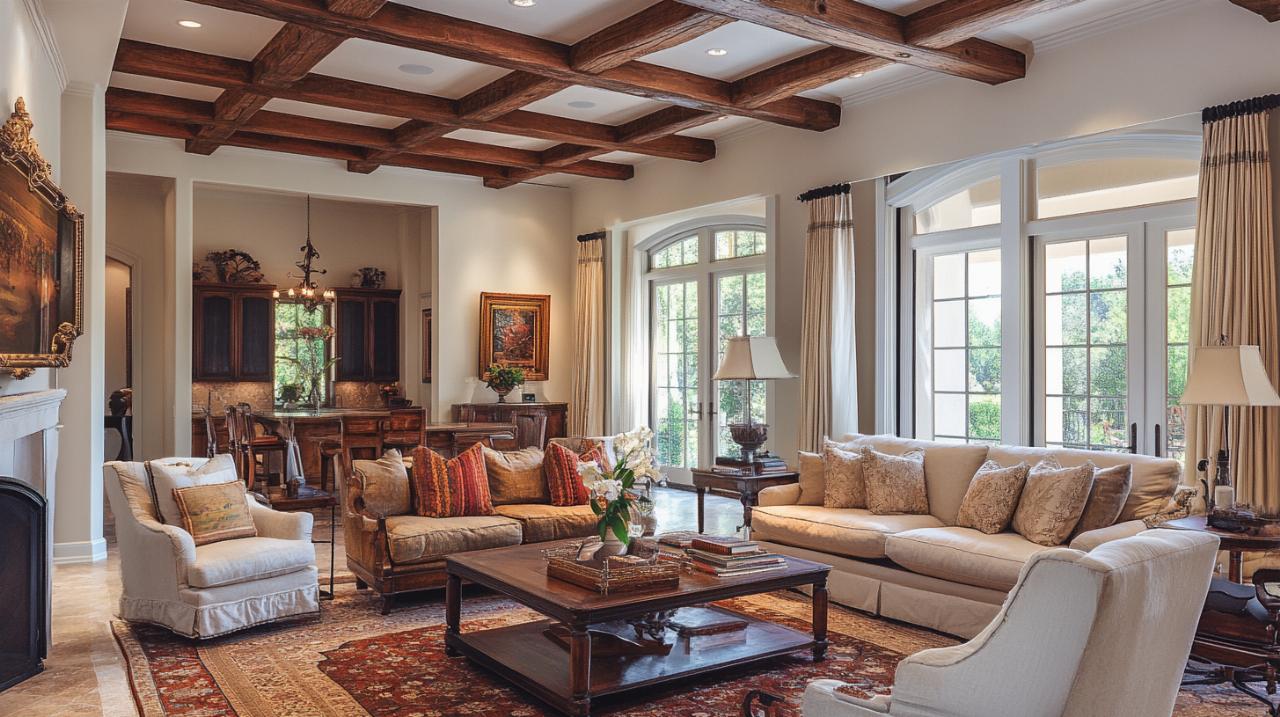
The placement of decorative beams is as important as their design, as it can dramatically alter the perception of a room's scale and character. Thoughtfully positioned beams can draw the eye upward, creating the illusion of height in low-ceilinged spaces, or they can define zones within open-plan layouts, adding structure to contemporary design schemes. In historic homes with original features, such as a converted farmhouse or a former tannery in Lectoure, the beams often follow existing lines, enhancing the building's heritage rather than competing with it. Meanwhile, in new builds or apartments, the freedom to experiment with patterns and configurations allows for greater creativity.
Popular Styles and Patterns to Complement Your Interior
Among the most enduring styles is the classic parallel arrangement, where beams run in straight lines across the ceiling, evoking the simplicity of country cottage bedrooms or English country house interiors. This approach works particularly well in properties with rectilinear layouts, such as those found in London or Amsterdam. Alternatively, a grid pattern, where beams intersect to form squares or rectangles, adds a sense of order and symmetry that suits both traditional and modern settings. For those drawn to more dramatic effects, a vaulted ceiling adorned with exposed rafters, as seen in Belgian barns or Normandy homes, offers a striking focal point that combines rustic charm with architectural grandeur. Each style can be tailored to reflect the unique character of your home, whether it draws inspiration from the pared-back elegance of a Cotswolds retreat or the vibrant artistry of a Parisian apartment.
Maximising visual impact whilst maintaining room proportions
Ensuring that decorative beams enhance rather than overwhelm a space requires a nuanced understanding of proportion and scale. In smaller rooms, such as those typical of apartments in Notting Hill or Bologna, it is advisable to limit the number of beams and opt for lighter finishes to prevent the ceiling from feeling heavy or oppressive. Conversely, larger spaces with high ceilings, like those in converted barns or holiday homes in Ibiza, can accommodate bolder, darker beams that anchor the room and create a sense of cosiness. The interplay between the beams and other design elements, such as lighting fixtures, ventilation ducts, and even decorative features like a coat rack or cellar airing systems, should be considered to maintain a cohesive aesthetic. Drawing on insights from sources like Elle Decoration, which frequently showcases homes from Lyon to the Berkshire countryside, can provide valuable guidance on balancing these elements to achieve a harmonious result. Whether your goal is to celebrate the heritage of a 15th-century apartment or to infuse a modern space with the warmth of timber, the strategic use of decorative ceiling beams offers endless possibilities for elevating your home's style and character.