
Selecting the proper circuit breaker for your electric radiators is not merely a technical formality; it is a fundamental aspect of ensuring both safety and efficiency within your home. Electric heating systems demand careful consideration of electrical load, circuit protection, and compliance with safety regulations. Understanding how to match your heating requirements with the correct circuit breaker will help you avoid potential hazards such as overheating, circuit overloads, and electrical fires. This guide walks you through the essential steps and considerations, from calculating your electrical load to engaging a qualified electrician for installation. Whether you are upgrading your existing heating or installing new electric radiators, these insights will help you make informed decisions that protect your home and family.
Calculating your electrical load requirements
Determining Total Wattage and Converting to Amperage
The first step in choosing the right circuit breaker for your electric radiators is to establish the total electrical load that the circuit will carry. Begin by adding up the wattage ratings of all the radiators you intend to connect to a single circuit. Each radiator will typically have its wattage clearly marked on its specification label or in the accompanying documentation. Once you have the cumulative wattage, you must convert this figure into amperage to determine the current the circuit will draw. In the United Kingdom, the standard mains voltage is 230V, so you will use the formula: Amps equals Watts divided by Voltage. For instance, if your combined radiator wattage totals 4600 watts, dividing this by 230 volts gives you a current draw of 20 amps. This calculation is crucial because circuit breakers are rated in amperes, and selecting the correct rating depends entirely on understanding the current your heating system will demand. Keep in mind that this is the continuous load, meaning the circuit will sustain this current for extended periods, which is typical for electric heating applications. As you plan your installation, consider consulting resources such as the global marinas website for additional guidance on electrical safety and best practices in various settings, ensuring that your approach aligns with industry standards.
Selecting the Appropriate MCB Rating for Your Needs
Once you have calculated the amperage, the next step is to select a Miniature Circuit Breaker with a rating that safely accommodates this load. It is essential to choose an MCB rating that is slightly higher than your calculated current to provide a margin of safety and prevent nuisance tripping under normal operating conditions. Common MCB ratings available in the UK include 16A, 20A, and 32A, among others. For example, if your calculation yields a current draw of 20 amps, you might opt for a 20A MCB, though some electricians prefer a 25A or 32A breaker to allow for minor fluctuations and to ensure the circuit does not trip during startup surges. However, it is equally important not to oversize the breaker excessively, as this could compromise the protection of the circuit and the connected cables. The MCB must be coordinated with the cable size to ensure that the cable can handle the maximum current the breaker will allow before tripping. Additionally, when dealing with electric heating, you should use either an AC type or an A type differential circuit breaker, paying particular attention to the current intensity and ensuring that the residual current device offers at least 30mA sensitivity for optimal protection against earth faults. If you are working with single-phase power at 230V, this is the typical configuration for most domestic settings, whereas three-phase power at 400V is reserved for high-power industrial applications or larger installations. Understanding the difference between these systems is vital for ensuring that your circuit breaker and overall electrical design match your specific heating needs.
Safety considerations and professional installation
Cable sizing and rcd protection essentials
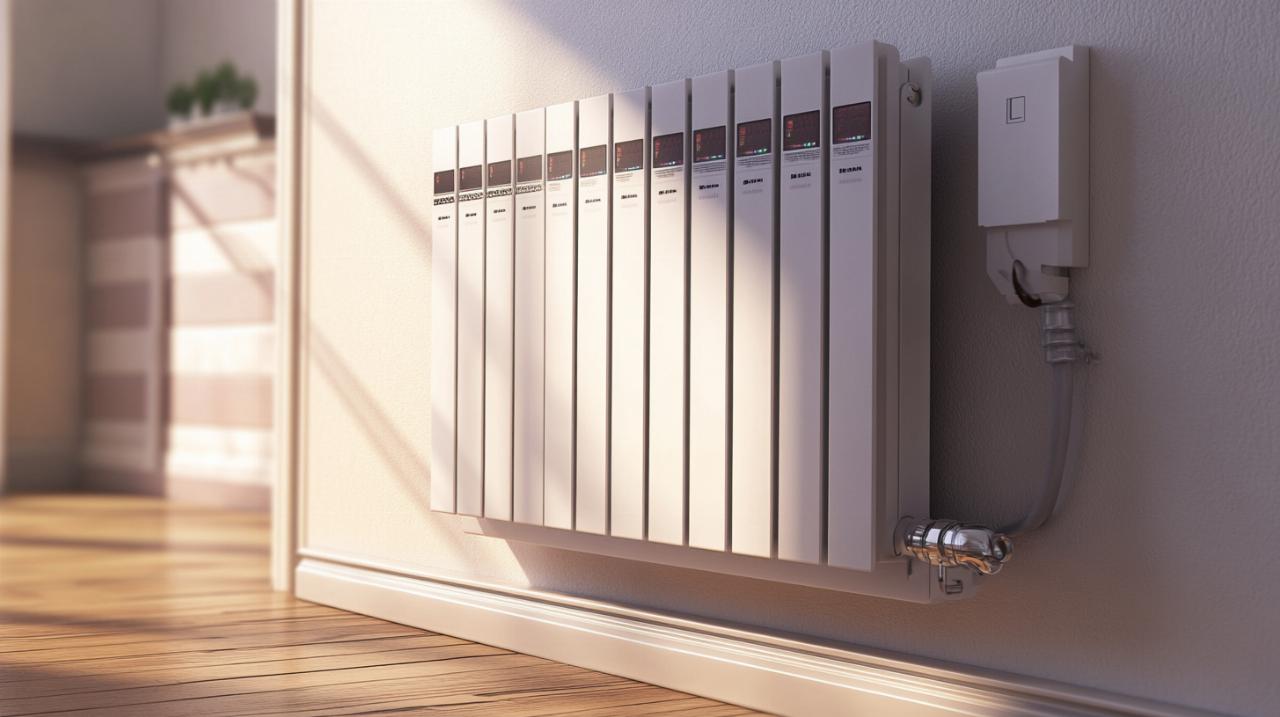
Selecting the correct cable size is just as critical as choosing the right circuit breaker. The cable must be thick enough to carry the current without overheating, which could lead to insulation damage, fire, or equipment failure. Cable sizing takes into account not only the current rating but also the installation method, ambient temperature, and the length of the cable run. For electric radiators, a qualified electrician will refer to industry standards and tables that provide derating or uprating factors based on these variables. For instance, in environments where the ambient temperature exceeds the standard 30 degrees Celsius for domestic installations or 40 degrees Celsius for industrial settings, the cable may need to be derated to prevent thermal tripping. Compensated thermal-magnetic units are designed to adjust for temperature variations within a specific range, ensuring consistent performance even when conditions fluctuate. Beyond cable sizing, Residual Current Device protection is absolutely vital for electric heating circuits. An RCD monitors the balance of current between the live and neutral conductors and will trip the circuit if it detects a leakage current, typically set at 30mA. This rapid disconnection is essential for preventing electric shocks and reducing the risk of fire caused by earth faults. It is also wise to consider distributing your electric radiators across multiple circuits, each protected by its own differential switch. This strategy ensures that if one circuit trips, you will still have some heating available in your home, rather than losing all warmth during a power cut or fault condition. Such redundancy is a hallmark of good electrical design and contributes significantly to both safety and convenience.
Why You Need a Qualified Electrician and Avoiding Circuit Overload
While it may be tempting to undertake electrical work yourself, especially in the pursuit of cost savings, installing circuit breakers and electric radiators is a task best left to a qualified electrician. Electrical systems are complex and potentially dangerous, and a seemingly minor error can have serious consequences, including fire, electric shock, or damage to expensive equipment. A professional electrician will not only ensure that the circuit breaker rating, cable size, and RCD protection are correctly matched, but they will also verify compliance with the latest wiring regulations and building codes. They will switch off the power supply before beginning work, securely clip the breaker onto the distribution board rail, connect the wires with precision, label the circuit for future reference, and then restore power to test the installation. This methodical approach minimises risk and ensures that everything functions as intended. Moreover, a qualified sparky will help you avoid the common pitfall of circuit overload. Overloading occurs when too many devices or radiators are connected to a single circuit, causing the total current draw to exceed the breaker’s rating. This can result in frequent tripping, reduced efficiency, and increased wear on your electrical system. In severe cases, prolonged overloading can cause cables to overheat, insulation to degrade, and even fires to start. To prevent this, it is important to distribute your heating load across multiple circuits where necessary, ensuring that no single circuit is pushed beyond its safe limits. Engaging a professional electrician also provides peace of mind, as they will carry out testing and certification, leaving you with a safe, compliant, and reliable installation that meets all regulatory requirements and protects your home for years to come.